Weighing the Bench: A Defensible Carbon Case for UK Pathology Consumables

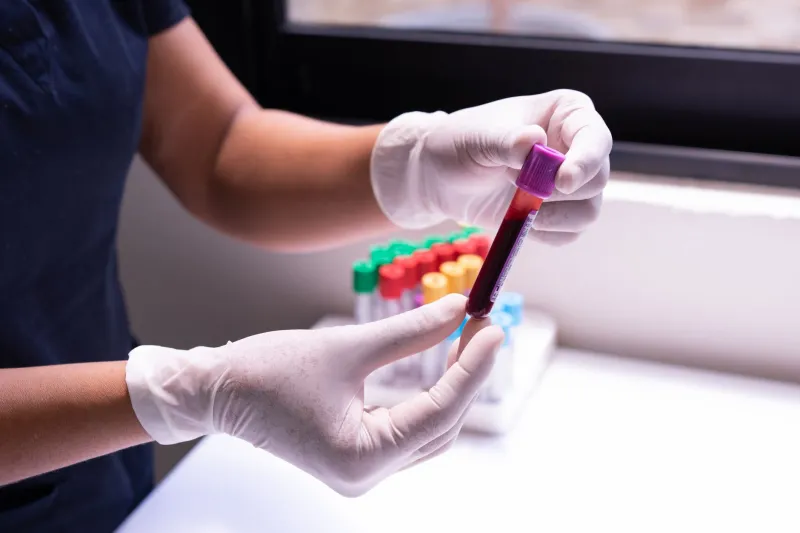
A blood tube arrives on a pathology bench already carrying emissions. Long before the sample is taken, the polymer has been produced, the tube moulded, the label printed, the packaging formed and the consignment moved. After the result is reported, the tube may be autoclaved, incinerated or sent to landfill depending on how it was used and segregated. In 2026, as UK trusts translate net-zero commitments into departmental plans, pathology teams are being asked to reduce that burden without weakening diagnostic quality. The temptation is to reach for visible, easily counted changes. The harder and more useful task is to build a carbon case that survives quality review.
From cradle to clinical waste
The lifecycle of a typical blood tube is a useful test case because it touches almost every part of laboratory operations. Extraction and polymer manufacture usually dominate the early carbon burden, particularly for tubes made from virgin plastics. Injection moulding, additive preparation and sterilisation add further energy and material inputs. Packaging, often overlooked because it is discarded immediately, contributes through board, film and labels. Transport adds emissions from inbound freight, internal distribution and, for some assays, cold-chain movement.
At the bench, the carbon picture shifts. Overdrawing blood, using a larger tube than the analytical method requires, repeating a collection because of a labelling error or discarding a tube after a pre-analytical problem all increase emissions per reportable result. Storage matters too: refrigerated or frozen archive space carries an ongoing energy load, and overstocking can lead to expired consumables and unnecessary waste. Disposal is the final stage, but it is not always the largest. Waste segregation determines whether a tube is treated as clinical waste, offensive waste or recyclable packaging, and that choice has both carbon and cost consequences.
Separating material savings from symbolic gestures
Not every sustainability measure is equal. Replacing a standard light fitting with an efficient one may be sensible, but it is unlikely to change the carbon profile of a pathology service. The same is true of a campaign asking staff to use less paper in a department that has already digitised most reporting. These measures can build attention, but they should not be presented as the core case.
More meaningful levers usually sit closer to clinical and operational decisions. Right-sizing tube collections to the minimum volume required by the assay can reduce plastic, transport and waste at the same time. Reviewing duplicate or unnecessary requests can lower consumption without touching analytical quality. Consolidating send-away frequencies for low-volume specialist tests can reduce courier emissions. Improving waste segregation can keep uncontaminated packaging out of clinical waste streams. Reducing archive storage where retention rules allow can cut energy use. Each of these requires local evidence, because a change that saves carbon in one trust may not do so in another.
Procurement also deserves scrutiny. A lower unit price is not the same as a lower carbon or lower total cost per valid result. Finance and sustainability teams should compare consumables on cost per reportable result, including collection, transport, storage and waste treatment. That comparison often changes the apparent winner.
The quality argument comes first
Any carbon case in pathology must begin with the quality management system, not with the sustainability office. A change to tube type, fill volume, additive, storage condition or transport time can affect sample integrity and therefore the validity of a result. Under an ISO 15189:2022 quality framework, such changes need documented risk assessment, validation or verification where appropriate, and clear acceptance criteria. The sustainability benefit is a secondary outcome; the primary question is whether the diagnostic service remains safe and fit for purpose.
Infection control and waste management must be engaged early. Changes to segregation, decontamination or disposal routes can have implications under UK healthcare waste guidance and trust infection prevention policies. A proposal that reduces plastic waste by moving contaminated items into a different stream may be unacceptable if it increases handling risk or breaches local rules. Conversely, a well-designed segregation change can reduce both carbon and costs without any clinical compromise.
Finance should not be brought in only at the end to approve a saving. A reviewable case needs a realistic baseline, including consumable spend, waste contract costs, storage energy and staff time. It should distinguish cash-releasing savings from carbon-only benefits. Many worthwhile carbon reductions do not release cash in the first year, and presenting them as if they do undermines credibility.
A case file that can be signed
A defensible sustainability case for pathology consumables can be structured as a short evidence pack with five parts. First, define the scope: which tube, test, site or pathway is being examined, and which emissions sources are included. Second, establish a baseline using local procurement, waste and operational data rather than generic estimates. Third, set out the quality impact assessment, including any validation evidence and the limits of the change. Fourth, describe the operational intervention and the infection control position. Fifth, specify how the claimed benefit will be verified after implementation.
The pack should be reviewed by quality, infection control, finance and sustainability representatives, with a named owner and a review date. It should state explicitly what the change will not do. For example, a tube right-sizing project may reduce plastic use, but it will not remove the need for adequate fill volume or correct mixing. A transport consolidation may cut courier journeys, but it must not extend sample age beyond validated limits.
This approach turns sustainability from a standalone campaign into a controlled change. It also gives pathology teams a defensible answer when they are asked to cut plastics, transport or cold storage. The carbon cost of a blood tube is real, but it is not uniform. The service that can show its baseline, its quality boundaries and its verification method is the one that can reduce that cost without asking patients or clinicians to carry the risk.